When it comes to improving your outdoor space, one of the biggest decisions homeowners face is whether to renovate their existing landscape or start from scratch with a completely new landscape design. While both options can transform your property, the right choice depends on the condition of your yard, your goals, and your budget.
Whether you’re looking to boost curb appeal, create a more functional outdoor living space, or increase your home’s value, understanding the difference between landscape renovation and new landscaping will help you make the best investment.
What Is Landscape Renovation?
Landscape renovation involves improving or updating your existing yard without completely removing everything. It focuses on enhancing what already works while replacing outdated, damaged, or underperforming features.
A landscape renovation may include:
- Replacing old shrubs and plants
- Installing new garden beds
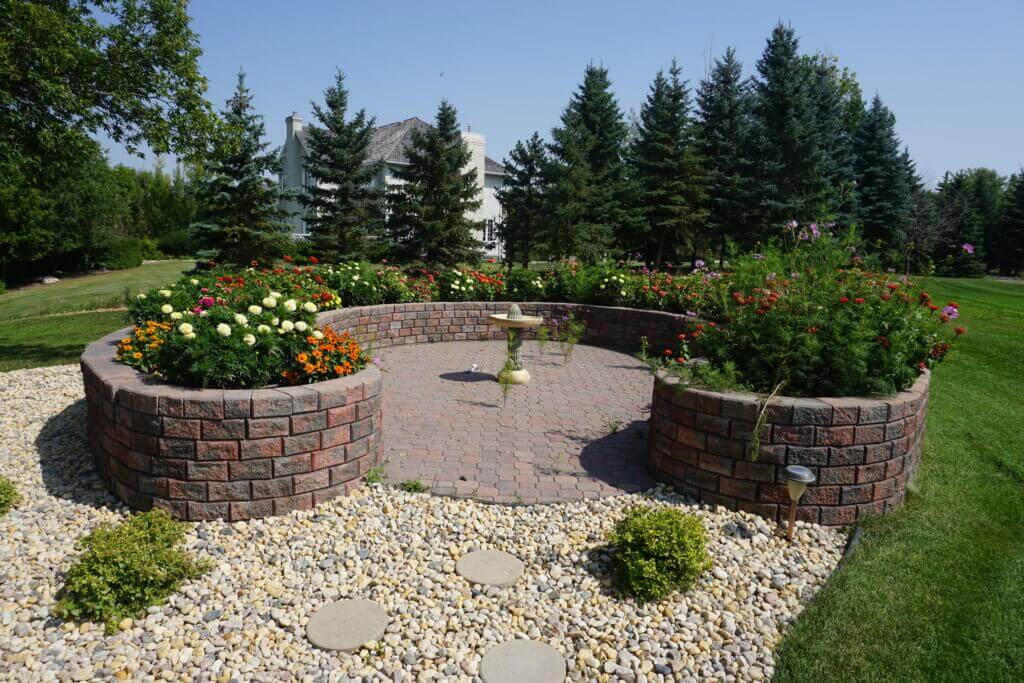
- Upgrading patios or walkways
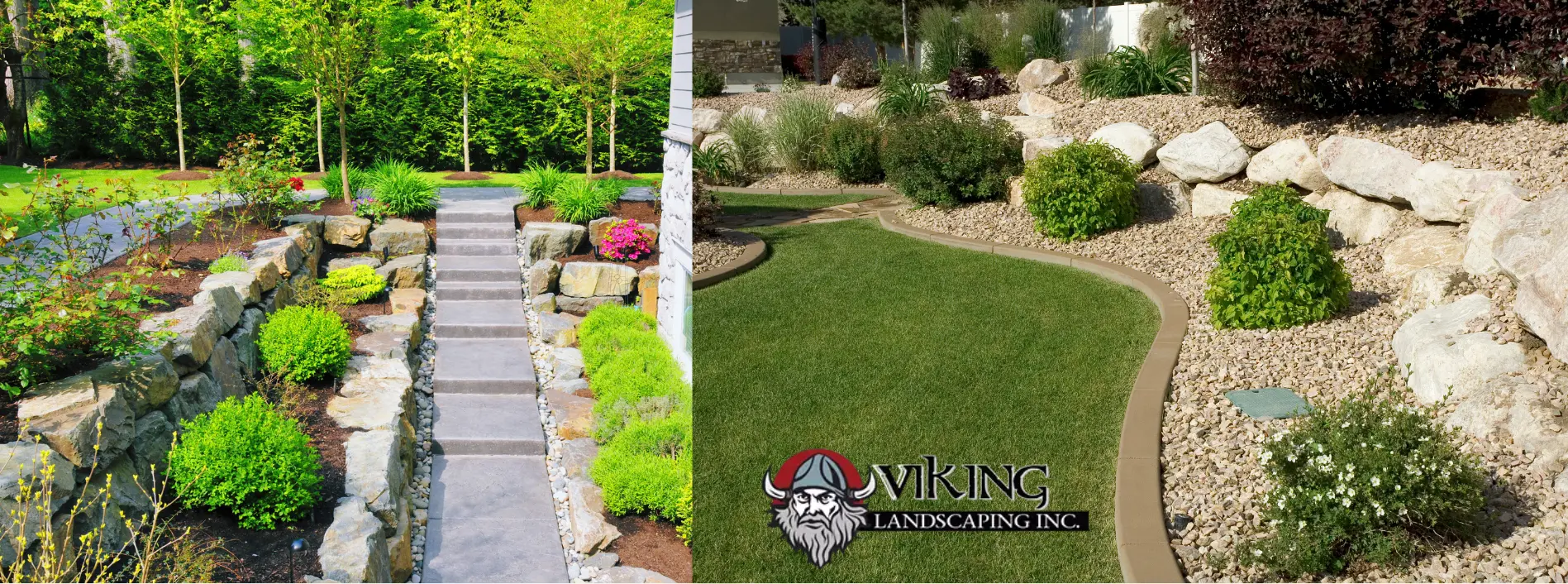
- Adding retaining walls
- Improving drainage
- Installing landscape lighting
- Refreshing mulch and decorative rock
- Replacing damaged sod with healthy turf
This option is ideal when your landscape has a solid foundation but needs modernization or repairs.
What Is New Landscaping?
New landscaping involves designing and building an outdoor space from the ground up. This is common for newly built homes, properties with neglected yards, or homeowners looking for a complete transformation.
A new landscape project typically includes:
- Site preparation and grading
- Custom landscape design
- Sod or artificial turf installation
- Trees, shrubs, and perennial planting
- Patios, pathways, and outdoor living areas
- Irrigation systems
- Decorative rock and mulch
- Landscape lighting
- Retaining walls and garden borders
Starting fresh allows for complete customization while ensuring every element works together.
When Is Landscape Renovation the Better Choice?
Landscape renovation is often the smartest option if your property already has healthy landscaping that simply needs updating.
Your Landscape Still Has Good Bones
If your hardscaping is structurally sound and mature trees or healthy plants can be preserved, renovating can save both time and money.
You Want to Improve Curb Appeal
Small improvements like replacing outdated plants, refreshing mulch, installing new lighting, or updating pathways can dramatically improve your home’s appearance.
Your Budget Is Limited
Renovations usually cost less than a complete landscape installation because many existing features remain in place.
You Want Faster Results
Since much of the existing landscape stays intact, renovation projects are typically completed more quickly than full redesigns.
When Is New Landscaping Worth the Investment?
There are situations where starting over provides better long-term value.
Your Yard Has Poor Drainage
Standing water, erosion, or improper grading can damage both your landscape and your home’s foundation. A complete redesign allows drainage issues to be corrected from the beginning.
The Existing Landscape Is Outdated
Overgrown plants, uneven lawns, cracked walkways, and poor layouts often make renovations more expensive than starting fresh.
You Recently Built a New Home
New construction often leaves homeowners with bare soil and little outdoor functionality. A professionally designed landscape creates an attractive, usable outdoor environment.
You Want Outdoor Living Spaces
Adding patios, fire pits, pergolas, outdoor kitchens, or seating areas is often easier to incorporate into a brand-new landscape plan.
Comparing Landscape Renovation and New Landscaping
| Feature | Landscape Renovation | New Landscaping |
|---|---|---|
| Cost | Lower investment | Higher investment |
| Timeline | Faster completion | Longer project |
| Design Flexibility | Moderate | Complete customization |
| Existing Features | Mostly preserved | Completely redesigned |
| Best For | Updating older landscapes | New homes or major transformations |
Which Option Adds More Value?
Both renovation and new landscaping can increase property value when completed professionally.
A landscape renovation offers excellent value if your yard only needs cosmetic improvements. New landscaping, however, often delivers the greatest long-term return by improving functionality, drainage, curb appeal, and outdoor living space all at once.
Professional landscaping can also reduce maintenance, improve water management, and create a more enjoyable environment for your family.
Factors to Consider Before Deciding
Before choosing between renovation and new landscaping, ask yourself:
- Is my existing landscape structurally sound?
- Are drainage or grading problems affecting my yard?
- Do I want to keep mature trees and established gardens?
- What is my budget?
- How long do I plan to stay in this home?
- Am I looking for cosmetic improvements or a complete transformation?
Answering these questions can help determine which approach makes the most sense.
Why Work With a Professional Landscaping Company?
Every property is different. An experienced landscaping contractor can evaluate your existing yard, identify hidden issues, and recommend the most cost-effective solution.
Professional designers consider:
- Soil conditions
- Drainage and grading
- Sun exposure
- Plant selection
- Long-term maintenance
- Property aesthetics
- Budget planning
This ensures your investment delivers lasting beauty and functionality.
Final Thoughts
Choosing between landscape renovation and new landscaping isn’t always straightforward. If your current landscape has a strong foundation, renovating can refresh your property while keeping costs manageable. If your yard suffers from poor drainage, outdated features, or lacks functionality, investing in a complete landscape redesign may provide better long-term value.
A professional landscaping consultation can help you determine the best approach based on your property’s condition, lifestyle, and budget. Whether you’re updating a few features or creating a completely new outdoor space, thoughtful planning ensures you’ll enjoy your landscape for years to come.