Winter in Canada brings more than just snow—it brings the risk of damaged lawns, cracked driveways, and costly spring repairs if snow removal is not handled correctly. Whether you manage a residential property or a commercial site, using the right snow removal strategies is essential to protect your outdoor investment throughout the winter season.
Why Improper Snow Removal Causes Long-Term Damage
Many property owners focus on clearing snow quickly without considering the impact on their landscaping and hardscaping. Common issues caused by improper snow removal include:
-
Turf damage from plow blades and heavy equipment
-
Cracked or shifted concrete and asphalt due to freeze-thaw cycles
-
Compacted soil that restricts spring root growth
-
Salt buildup that harms plants and grass
Professional snow management goes beyond clearing surfaces—it prioritizes protection, durability, and long-term performance.
Use Proper Equipment for Each Surface
One of the most important snow removal strategies is matching equipment to the surface being cleared.
-
Rubber-edged plows help prevent gouging on driveways and interlocking pavers
-
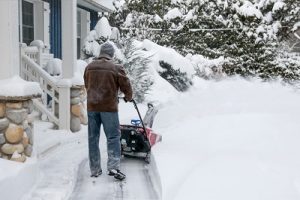
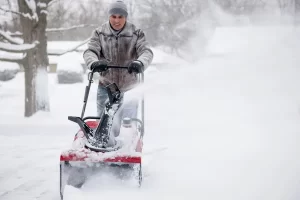
Snow blowers reduce lawn and edging damage compared to metal shovels
-
Tracked equipment distributes weight more evenly, reducing surface stress
Experienced snow removal crews understand how to adjust blade height and pressure to avoid scraping or cracking finished surfaces.
Mark Lawn Edges and Landscape Features
Before the first snowfall, clearly marking lawn edges, curbs, walkways, and landscape features is critical. Snow stakes or driveway markers:
-
Prevent plows from drifting onto turf areas
-
Protect garden beds, retaining walls, and irrigation components
-
Reduce accidental damage during heavy snowfall or low visibility
This proactive step significantly lowers repair costs when spring arrives.
Choose De-Icing Products Carefully
Salt is effective, but overuse can severely damage lawns, soil, and hardscape materials. Safer alternatives include:
-
Calcium magnesium acetate (CMA) for concrete protection
-
Sand blends for added traction with reduced chemical exposure
-
Targeted application instead of blanket spreading
Professional snow removal providers use controlled application methods to minimize environmental impact while maintaining safety.
Manage Snow Pile Placement Strategically
Where snow is piled matters just as much as how it is removed. Poor snow placement can lead to:
-
Suffocated grass due to prolonged snow cover
-
Flooding and erosion during spring melt
-
Plant damage from salt runoff
Snow should be placed in designated areas away from lawns, drainage zones, and sensitive landscaping. Experienced contractors plan pile locations before winter begins.
Reduce Freeze-Thaw Damage to Driveways
Driveways are especially vulnerable during winter. Preventive strategies include:
-
Clearing snow early to reduce ice bonding
-
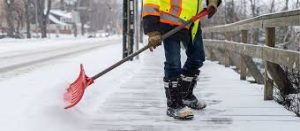
Avoiding metal tools on decorative or stamped concrete
-
Ensuring proper drainage to prevent water pooling and refreezing
Consistent maintenance throughout the season helps extend the life of concrete, asphalt, and paver driveways.
Why Professional Snow Removal Makes a Difference
Professional snow removal teams bring experience, training, and local climate knowledge. They understand how Canadian winters impact landscapes and use proven methods to protect both functionality and appearance.
A professionally managed snow removal plan provides:
-
Reduced risk of property damage
-
Improved safety for vehicles and pedestrians
-
Faster spring recovery for lawns and hardscapes
Protect Your Property All Winter Long
Effective snow removal is not just about clearing snow—it’s about preserving the integrity of your yard and driveway through harsh winter conditions. By using the right equipment, materials, and strategies, property owners can avoid unnecessary damage and ensure a healthier landscape come spring.
Working with an experienced landscaping and snow removal company ensures your property is protected, safe, and well-maintained throughout the entire winter season.