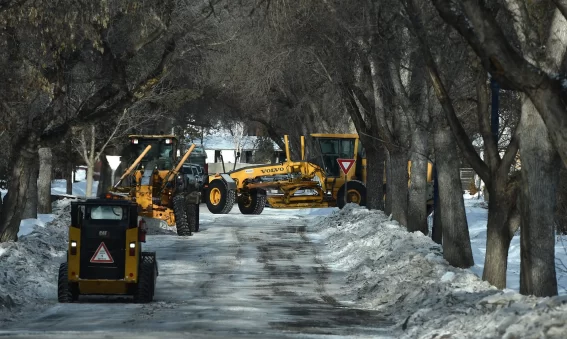
snow clearing near me

What Should Be Included in a Commercial Snow Removal Plan in Winnipeg?

Winnipeg winters can bring heavy snowfall, freezing temperatures, blowing snow, and icy conditions that create serious challenges for commercial properties. For businesses, simply removing snow after a storm is not enough. A well-planned commercial snow removal plan in Winnipeg should address parking lots, sidewalks, entrances, loading areas, ice control, snow storage, and ongoing monitoring.

A detailed winter maintenance plan helps businesses keep their properties accessible and safer for employees, customers, visitors, and deliveries throughout the winter season.

Why Does a Commercial Snow Removal Plan Matter?

Snow and ice can quickly affect how a commercial property operates. A blocked entrance can make it difficult for customers to enter, while an uncleared parking lot can create access and safety problems for employees and visitors.

A commercial snow removal plan establishes what needs to be cleared, when service should begin, which areas receive priority, and how snow and ice will be managed throughout the winter.

For Winnipeg businesses, planning ahead is especially important because snowfall can occur frequently and conditions can change quickly.

1. Property Assessment and Site Planning

Every commercial property has different snow removal requirements. A good plan should begin with a detailed assessment of the property.

This should identify:

  • Parking lots and parking stalls
  • Main entrances and secondary entrances
  • Sidewalks and pedestrian walkways
  • Loading docks and delivery areas
  • Fire lanes and emergency access routes
  • Ramps and accessible entrances
  • Garbage and service areas
  • High-traffic pedestrian zones
  • Designated snow storage locations

Understanding the layout before winter begins allows a snow removal company to develop an efficient clearing strategy.

2. Snow Plowing and Parking Lot Clearing

Parking lots are often one of the largest areas that need attention after a Winnipeg snowfall. A commercial snow removal plan should clearly identify how and when parking areas will be plowed.

The plan should consider:

  • Property size
  • Number of parking areas
  • Traffic patterns
  • Snow accumulation
  • Priority access routes
  • Where snow can safely be piled
  • Whether snow hauling will be required

Commercial snow removal equipment can include truck plows, skid steers, front-end loaders, and other specialized equipment depending on the size and layout of the property.

3. Sidewalk and Entrance Clearing

Clearing the parking lot is only part of commercial winter maintenance. Customers and employees still need safe routes from their vehicles to the building.

A complete plan should include:

  • Sidewalk snow removal
  • Building entrances
  • Walkways between parking areas and entrances
  • Ramps
  • Stairs
  • High-traffic pedestrian areas

These areas may require a combination of mechanical snow removal and hand shoveling to reach areas that larger equipment cannot safely access.

4. Ice Control, Sanding and De-Icing

Snow removal and ice control should work together.

After snow is cleared, freezing temperatures can leave behind packed snow or ice. A commercial snow removal plan should identify where sanding, salting, or other de-icing treatments may be required.

Priority areas can include:

  • Building entrances
  • Sidewalks
  • Ramps
  • Sloped walkways
  • Parking lot entrances and exits
  • Areas where melting and refreezing commonly occur

Viking Landscaping includes sanding and de-icing among its commercial winter services for Winnipeg properties.

5. Weather and Site Monitoring

A proactive snow removal plan should not rely entirely on a business owner calling after every snowfall.

Weather monitoring allows the snow removal team to prepare for incoming storms and changing conditions. This is particularly important during major Winnipeg snow events when multiple properties may require service at the same time.

Monitoring can help crews prepare equipment, staff, materials, and service schedules before conditions become difficult.

6. Snow Hauling and Snow Storage

Large amounts of snow can quickly reduce available parking and usable space on a commercial property.

A winter plan should determine where snow will initially be stored and when it needs to be relocated or hauled away.

Snow hauling may become necessary when:

  • Snow piles block parking spaces
  • Visibility is reduced near intersections or entrances
  • Snow storage areas become full
  • Access lanes become narrower
  • Large snowbanks interfere with normal business operations

Planning snow storage and hauling in advance can prevent last-minute problems after major snowfalls.

7. Service Frequency and Response Expectations

Businesses should understand how their commercial snow removal service will respond to snowfall.

A plan should establish:

  • When crews are dispatched
  • What snowfall conditions trigger service
  • Which areas receive priority
  • How frequently properties are revisited
  • How ice control is handled
  • What happens during major snow events

Clear expectations help property managers understand what service will look like during a normal snowfall and during larger winter storms.

8. Equipment and Crew Capacity

Commercial properties can vary significantly in size. A small office property may require different equipment than a large shopping centre, industrial site, or multi-building commercial complex.

Before choosing a snow removal company, ask whether the provider has the equipment and crew capacity required for the property.

Viking Landscaping states that it has equipment for commercial properties of different sizes and provides services including plowing, snow hauling, sanding, snow blowing, and accessway clearing.

9. Communication and Emergency Procedures

Winter conditions can change quickly, so communication should be part of every commercial snow removal plan.

Property managers should know:

  • Who to contact about service concerns
  • How storm-related updates are communicated
  • How additional snow removal can be requested
  • How emergency access concerns are handled
  • How major snow events may affect service timing

A reliable communication process can make winter property management much easier.

10. Seasonal Planning and Contract Options

Commercial properties should arrange snow removal before winter demand increases. Waiting until the first major snowfall can make it more difficult to secure the right service provider.

Depending on the property and budget, businesses may consider seasonal, monthly, or other service arrangements. Viking Landscaping offers commercial snow removal options in Winnipeg, including monthly and seasonal plans as well as hourly services for certain needs.

Commercial Snow Removal Checklist for Winnipeg Businesses

Before winter begins, property managers should make sure their snow removal plan covers:

  • ✓ Parking lot plowing
  • ✓ Sidewalk and walkway clearing
  • ✓ Entrance and ramp clearing
  • ✓ Sanding and de-icing
  • ✓ Weather and site monitoring
  • ✓ Snow storage locations
  • ✓ Snow hauling requirements
  • ✓ Emergency access routes
  • ✓ Equipment requirements
  • ✓ Service response expectations
  • ✓ Communication procedures
  • ✓ Seasonal maintenance scheduling

Choose a Commercial Snow Removal Plan That Fits Your Property

Every commercial property in Winnipeg has different winter maintenance requirements. A small office, retail property, industrial site, apartment complex, or large commercial development may require a different combination of plowing, sidewalk clearing, de-icing, and snow hauling.

The most effective approach is to evaluate the property before winter, identify high-priority areas, and establish a clear plan for snow and ice management.

Viking Landscaping provides commercial snow removal services in Winnipeg, including parking lot clearing, sidewalk clearing, plowing, sanding, de-icing, snow hauling, and weather/site monitoring. The company serves commercial properties of various sizes and maintains crews and equipment for winter conditions.

If your Winnipeg business needs dependable winter property maintenance, planning your commercial snow removal service before the first major snowfall can help keep your property accessible and ready for the season.

Contact Viking Landscaping for a commercial snow removal quote in Winnipeg.

fall cleanup checklist

A Complete Fall Cleanup Checklist for Winnipeg Homeowners

Fall is an important time to prepare your Winnipeg property for the colder months ahead. As leaves begin to fall, temperatures drop and winter approaches, your lawn and landscaping can quickly become covered with leaves, branches and other yard debris.

A thorough fall cleanup in Winnipeg is about more than making your property look tidy. Cleaning up your lawn, garden beds, walkways and outdoor spaces before winter can make spring maintenance easier and help you identify landscaping issues before they are hidden by snow.

If you’re wondering what should actually be done before winter, this checklist can help.

Why Fall Cleanup Matters in Winnipeg

Winnipeg properties experience long, cold winters, significant snowfall and frequent freeze-thaw conditions. Preparing your landscape before winter can make seasonal maintenance more manageable.

Leaves and organic debris can accumulate quickly during the fall. If large amounts remain on the lawn or around landscaping features, they may become wet, compacted and difficult to remove once snow arrives.

A complete fall cleanup gives homeowners an opportunity to:

  • Remove excessive leaves and yard debris
  • Clean lawns before winter
  • Prepare garden beds
  • Remove fallen branches
  • Inspect trees and shrubs
  • Clean patios and walkways
  • Clear drainage areas
  • Organize outdoor spaces
  • Reduce spring cleanup work

The goal isn’t necessarily to remove every natural material from your property. Instead, focus on areas where excessive debris could create maintenance problems or make the property harder to manage through winter.


Winnipeg Fall Cleanup Checklist

Use the following checklist as a starting point for preparing your property.

1. Remove Leaves From the Lawn

Leaf removal should be one of the first priorities during fall cleanup.

A light layer of leaves isn’t necessarily a concern, but thick layers of wet leaves can become compacted against the grass. This can leave the lawn covered for an extended period once winter weather arrives.

During your cleanup, remove excessive leaves from:

  • Front lawns
  • Backyards
  • Side yards
  • Around trees
  • Along fences
  • Under outdoor structures
  • Other areas where leaves accumulate

If your property has several mature trees, leaf cleanup can become a significant job as the season progresses.


2. Pick Up Fallen Branches and Yard Debris

Strong winds, storms and seasonal weather can leave branches, twigs and other debris throughout the yard.

Walk around your property and collect:

  • Fallen branches
  • Twigs
  • Dead plant material
  • Grass clippings
  • Excessive leaves
  • Other landscaping debris

Don’t forget less visible areas such as behind sheds, along fences and underneath shrubs.

Removing debris before winter also makes it easier to inspect the condition of your lawn and landscaping.


3. Clean Up Garden Beds

Garden beds can collect a surprising amount of leaves and plant debris throughout the fall.

Remove excessive leaves and unwanted debris while checking plants for damaged or dead growth.

Depending on the type of garden, fall maintenance may include:

  • Removing spent annual plants
  • Clearing excessive leaves
  • Removing fallen branches
  • Cleaning around shrubs
  • Removing unwanted plant debris
  • Adding appropriate mulch
  • Preparing selected plants for winter

However, not every plant should be cut back or pruned in the fall. The appropriate approach depends on the plant species and its specific growing requirements.


4. Inspect Trees and Shrubs

Fall cleanup is a good opportunity to inspect trees and shrubs around your property.

Look for:

  • Dead branches
  • Broken branches
  • Damaged limbs
  • Weak-looking growth
  • Branches interfering with structures
  • Storm damage

Winter snow, ice and strong winds can place additional stress on trees and branches.

If you identify large or hazardous branches, professional tree or landscaping assistance may be appropriate rather than attempting the work yourself.


5. Clean Patios, Walkways and Steps

Don’t limit your fall cleanup to the lawn.

Leaves and debris can collect on:

  • Patios
  • Walkways
  • Steps
  • Driveways
  • Front entrances
  • Outdoor living areas
  • Garden paths

Clearing these surfaces gives your property a cleaner appearance and prevents piles of organic material from being buried underneath snow.

It also gives you a chance to identify cracks, uneven surfaces or other maintenance issues before winter.


6. Check Your Drainage Areas

Fall is a good time to check areas where water needs to drain away from your property.

Look for leaves and debris around:

  • Drainage points
  • Downspouts
  • Low areas
  • Landscape drains
  • Walkways
  • Areas where water commonly collects

Keeping drainage areas clear can help water move away from the property during fall rains and seasonal temperature changes.

If you repeatedly experience standing water, however, simply removing leaves may not solve the underlying drainage problem.


7. Give Your Lawn a Final Inspection

Before winter, walk over your lawn and look for areas that may need attention.

Check for:

  • Bare patches
  • Compacted areas
  • Excessive thatch
  • Weeds
  • Damaged sections
  • Areas covered by excessive leaves

Fall can be a useful time to identify lawn problems before the grass becomes dormant.

The exact maintenance required will depend on the condition of the lawn and the type of grass on your property.


8. Clean Around Fences, Buildings and Landscaping Features

Leaves don’t only accumulate in open lawn areas.

Wind can push debris into corners and difficult-to-reach locations around:

  • Fences
  • Garages
  • Sheds
  • Retaining walls
  • Garden structures
  • Decks
  • Outdoor kitchens
  • Landscaping features

These areas are easy to overlook during a quick cleanup, but accumulated debris can make spring cleanup more time-consuming.


9. Manage Your Yard Waste

Once the cleanup begins, you’ll likely have a significant amount of leaves, branches and other yard debris to deal with.

Before starting, determine how you will handle the waste.

Depending on the size of the property, you may need to:

  • Bag leaves
  • Bundle branches
  • Use local yard-waste collection
  • Compost suitable organic material
  • Arrange professional yard-waste removal

For larger properties, professional cleanup can save considerable time because the crew can handle the collection and removal as part of the service.


10. Plan Your Snow Storage Areas

One task that is often overlooked during fall preparation is deciding where snow will go once winter arrives.

Think about where snow can safely be pushed or piled without blocking:

  • Driveways
  • Walkways
  • Building entrances
  • Drainage areas
  • Visibility areas
  • Parking spaces
  • Landscaping features

Planning snow storage before the first major snowfall can make winter property maintenance much easier.

For larger commercial properties, snow storage and hauling requirements should be considered as part of the overall winter maintenance plan.


When Should You Complete Fall Cleanup in Winnipeg?

There isn’t one exact date that works for every Winnipeg property.

The ideal timing depends on:

  • How quickly leaves are falling
  • Weather conditions
  • The number of mature trees on the property
  • Property size
  • Landscaping requirements
  • The expected arrival of winter weather

Many homeowners begin planning in September and complete their main cleanup during October or early November.

The key is to avoid waiting until snow and freezing conditions make outdoor cleanup difficult.

If your property has many trees, it may also make sense to complete an initial cleanup and then do a final leaf cleanup after most of the remaining leaves have fallen.


Should You Remove Every Leaf Before Winter?

Not necessarily.

A small amount of natural leaf material can be beneficial in certain garden areas. However, thick layers of wet leaves on lawn surfaces can create problems and make spring maintenance more difficult.

The best approach depends on where the leaves are located.

For example, homeowners may want to prioritize removing excessive leaves from:

Lawns:
Prevent thick layers from remaining over the grass.

Walkways:
Keep hard surfaces clear.

Drainage areas:
Prevent leaves from obstructing drainage.

Garden beds:
Manage excessive or unwanted material while considering the needs of individual plants.

Patios and entrances:
Keep high-use areas clean and manageable.


What Happens If You Skip Fall Cleanup?

Leaving a property completely untouched throughout the fall can create additional work in spring.

Leaves and debris may become buried beneath snow, while branches and other material can remain hidden until temperatures rise.

When the snow finally melts, homeowners may be left with:

  • Wet leaves
  • Broken branches
  • Lawn debris
  • Dead plant material
  • Dirty patios
  • Cluttered garden beds
  • Blocked drainage areas

A thorough fall cleanup gives you a cleaner starting point when spring arrives.


DIY Fall Cleanup vs. Professional Fall Cleanup

For a small yard, homeowners may be able to complete basic cleanup themselves.

However, fall cleanup can become much more time-consuming when a property has mature trees, large lawn areas, extensive garden beds or significant amounts of debris.

Professional fall cleanup services in Winnipeg can be particularly useful for homeowners who:

  • Have a large property
  • Have several mature trees
  • Don’t have the necessary equipment
  • Have limited time
  • Need significant leaf removal
  • Need yard waste hauled away
  • Want the property prepared before winter

Viking Landscaping provides Winnipeg fall cleanup services that can be customized according to the needs of the property.


Winnipeg Fall Cleanup Checklist at a Glance

Before winter arrives, review this quick checklist:

☐ Remove excessive leaves from lawns
☐ Pick up fallen branches and debris
☐ Clean garden beds
☐ Inspect trees and shrubs
☐ Complete appropriate seasonal pruning
☐ Clean patios and walkways
☐ Check drainage areas
☐ Clean around fences and structures
☐ Manage yard waste
☐ Plan snow storage areas
☐ Inspect the lawn for problem areas
☐ Schedule professional fall cleanup if needed


Frequently Asked Questions About Fall Cleanup in Winnipeg

When is the best time for fall cleanup in Winnipeg?

The best time depends on leaf drop and weather conditions, but many Winnipeg homeowners plan their main fall cleanup during October or early November. The goal is to complete important work before consistent freezing temperatures and snow arrive.

What is included in a fall cleanup?

A fall cleanup can include leaf removal, lawn debris removal, fallen branch cleanup, garden bed cleanup, patio and walkway cleaning, and yard-waste collection. The exact service depends on the property and its landscaping needs.

Should leaves be removed from my lawn before winter?

Removing excessive leaves from the lawn before winter is generally recommended. Thick layers of wet leaves can become compacted against the grass and may make spring lawn cleanup more difficult.

Do I need professional fall cleanup for a small yard?

Not necessarily. Smaller properties may be manageable for homeowners. Professional service becomes more useful when a property has extensive landscaping, mature trees, large amounts of leaves or significant yard waste.

When should I book fall cleanup services in Winnipeg?

It’s best to schedule professional fall cleanup before the busiest part of the season. Booking early provides more flexibility and allows the service date to be adjusted according to leaf drop and weather.

Can fall cleanup make spring yard maintenance easier?

Yes. Removing excessive leaves, branches and other debris before winter can reduce the amount of material left behind when snow melts, making spring cleanup more manageable.


Get Your Winnipeg Property Ready for Winter

A complete fall cleanup is more than simply raking leaves. It gives homeowners an opportunity to inspect their property, clean important outdoor areas, manage yard debris and prepare their landscape for Winnipeg’s winter conditions.

By completing the right tasks at the right time, you can head into winter with a cleaner, more organized property and make spring maintenance easier.

If your property needs professional fall cleanup in Winnipeg, Viking Landscaping offers seasonal landscaping services designed around the needs of local residential properties.

How to Get Your Winnipeg Property Ready for Winter Landscaping

Fall clean up winnipeg

Winnipeg winters are known for freezing temperatures, heavy snow, strong winds, and long periods of cold weather. Preparing your property before winter arrives can help protect your lawn, landscaping, trees, garden beds, walkways, and outdoor spaces from seasonal damage.

Winter preparation is not just about clearing leaves. A proper Winnipeg winter landscaping cleanup involves several important tasks that help your property transition from fall into winter and make spring maintenance easier.

So, what should Winnipeg homeowners do before the first major snowfall?

Why Winter Landscaping Preparation Matters in Winnipeg

The combination of freezing temperatures, snow, ice, and changing weather conditions can put stress on residential landscapes. Leaves and debris left on lawns can become compacted under snow, while neglected garden beds and damaged branches may create additional maintenance problems when spring arrives.

Completing seasonal landscaping tasks before the ground freezes can help keep your property organized and reduce the amount of cleanup required after winter.

For Winnipeg homeowners, the goal is simple: prepare the landscape before winter conditions make outdoor maintenance difficult.

When Should You Prepare Your Winnipeg Property for Winter?

The best time to begin winter landscaping preparation is during the fall, before the ground becomes consistently frozen and before significant snowfall arrives.

Many properties can begin their winter preparation in September, with the final cleanup taking place during October or early November. The exact timing depends on weather conditions, leaf drop, the size of the property, and the landscaping features around your home.

It is better to plan ahead rather than wait for the first major snowfall.

1. Remove Leaves and Yard Debris

One of the most important fall landscaping tasks is removing excessive leaves and debris from your property.

A thick layer of wet leaves can remain on the lawn for an extended period once snow arrives. Clearing leaves from lawn areas, garden beds, patios, walkways, and other outdoor spaces helps keep the property cleaner throughout the winter.

Professional fall cleanup in Winnipeg may include:

  • Leaf removal
  • Lawn debris cleanup
  • Fallen branch removal
  • Garden bed cleanup
  • Patio and walkway cleanup
  • Yard waste collection
  • General property cleanup

Removing accumulated debris before winter can also make spring cleanup more manageable.

2. Give Your Lawn a Final Cleanup

Your lawn should be one of the main priorities before winter.

Remove excessive leaves, branches, and other debris from the grass. A clean lawn surface allows it to enter the winter season without a heavy layer of organic material covering the grass.

It is also a good time to inspect your lawn for areas that may need attention before winter, such as bare patches, compacted areas, or excessive thatch.

Avoid leaving large piles of leaves sitting on the grass for weeks, especially when they become wet and compacted.

3. Clean and Prepare Garden Beds

Garden beds can collect a significant amount of leaves, dead plant material, and branches throughout the fall.

A seasonal cleanup gives homeowners an opportunity to remove unwanted debris and identify plants that require additional winter protection.

Depending on the plants in your landscape, preparation may include:

  • Removing dead annual plants
  • Clearing excessive leaves
  • Removing damaged branches
  • Cutting back selected plants when appropriate
  • Cleaning up around shrubs and perennial beds
  • Adding suitable mulch where needed

Not every plant should be cut back in the same way, so pruning should be based on the plant species and its seasonal requirements.

4. Inspect Trees and Shrubs

Fall is also a good time to look over trees and shrubs for damaged, dead, or weak branches.

Strong winter winds and heavy snow can put additional weight and stress on branches. Removing appropriate damaged or hazardous growth before winter can help reduce potential problems.

Homeowners should avoid aggressive pruning without knowing the requirements of the specific tree or shrub. Some plants benefit from seasonal pruning, while others are better left alone until another time of year.

If you have large trees or difficult-to-access branches, professional landscaping or tree-care assistance can make the process safer and more efficient.

5. Clean Patios, Walkways and Outdoor Areas

Leaves and debris can accumulate on patios, walkways, steps, driveways, and other hard surfaces.

Cleaning these areas before winter helps keep the property looking organized and prevents piles of organic debris from remaining underneath snow.

Pay particular attention to areas around:

  • Front entrances
  • Back patios
  • Garden pathways
  • Steps
  • Driveways
  • Outdoor living areas
  • Drainage areas

A clean outdoor space is easier to maintain once snow and ice become part of the daily routine.

6. Check Drainage Around Your Property

Fall is a useful time to check whether leaves and debris are blocking areas where water needs to drain.

Look for accumulated debris around drainage points, low areas, downspouts, and other locations where water may collect.

Good drainage is important throughout the year, and keeping drainage areas clear before winter can help prevent unnecessary water-related issues as temperatures fluctuate.

If you consistently notice standing water or drainage problems, consider having the landscape evaluated rather than simply clearing the debris.

7. Prepare Outdoor Landscaping Features

If your property has outdoor landscaping features such as patios, decorative structures, planters, or other installations, inspect them before winter.

Remove loose debris and make sure outdoor areas are organized before snow arrives.

Some items may need to be stored, covered, or otherwise protected depending on their construction and the manufacturer’s recommendations.

Preparing these features in advance can reduce the amount of work required once winter conditions arrive.

8. Plan for Snow and Winter Maintenance

Winter landscaping preparation should also include thinking about how snow will be managed.

Consider where snow will be placed after snowfall and whether there are areas that need to remain accessible, such as:

  • Driveways
  • Walkways
  • Steps
  • Garage entrances
  • Main doors
  • Emergency access areas

Planning snow storage areas ahead of time can prevent snow from being pushed onto garden beds, blocking access points, or creating unnecessary problems later in the season.

For larger residential or commercial properties, professional Winnipeg snow removal can also be incorporated into a seasonal property maintenance plan.

9. Schedule Professional Fall Cleanup Early

One of the easiest ways to prepare your property for winter is to schedule professional fall cleanup before the season becomes busy.

Waiting until the first snowfall can make landscaping cleanup more difficult. Frozen ground, wet leaves, snow, and colder temperatures can limit the amount of work that can be completed efficiently.

Booking early gives you more flexibility when choosing a service date and allows the cleanup to be scheduled around the natural leaf-drop cycle.

For larger properties, properties with mature trees, or homeowners who do not have the time or equipment to handle extensive cleanup, professional landscaping services can save considerable time.

Winnipeg Winter Landscaping Preparation Checklist

Before winter arrives, walk around your property and check the following:

  • Remove excessive leaves from the lawn
  • Clear garden beds of unwanted debris
  • Pick up fallen branches
  • Inspect trees and shrubs
  • Complete appropriate seasonal pruning
  • Clean patios and walkways
  • Clear drainage areas
  • Inspect outdoor landscaping features
  • Plan snow storage locations
  • Arrange professional fall cleanup if needed
  • Prepare for ongoing winter maintenance

Completing these tasks before consistent snow arrives can make your property easier to manage throughout the colder months.

What Happens If You Skip Fall Landscaping Cleanup?

Leaving a property untouched throughout the fall can create more work later.

Leaves and debris may become buried under snow, making them harder to remove. Lawn areas can become covered with compacted organic material, while garden beds, walkways, and drainage areas may require additional cleanup once spring arrives.

Skipping seasonal maintenance does not necessarily mean your landscape will suffer immediate damage, but it can make spring cleanup more difficult and leave problems unnoticed until the snow melts.

A few hours of preparation in the fall can save significant time when the next landscaping season begins.

Does Winter Preparation Make Spring Cleanup Easier?

Yes. One of the biggest advantages of completing fall landscaping maintenance is that it gives your property a cleaner starting point in spring.

When snow melts, homeowners are often left with leaves, branches, debris, and other material that accumulated during the winter.

The more cleanup completed in the fall, the less material there is to deal with after the snow disappears.

Proper winter preparation also provides an opportunity to identify potential landscaping issues before they become more difficult to address.

Should You Hire a Professional for Winnipeg Winter Landscaping Preparation?

The answer depends on the size of your property and the amount of seasonal maintenance required.

A homeowner with a small yard may be able to handle basic leaf removal and garden cleanup independently. Larger properties, yards with mature trees, extensive garden beds, and properties requiring significant debris removal can be much more time-consuming.

Professional landscapers have the equipment, experience, and crew needed to complete larger seasonal cleanup projects efficiently.

For Winnipeg homeowners, professional fall cleanup can be especially useful when the goal is to complete the work before freezing temperatures and snow make outdoor maintenance more difficult.

Frequently Asked Questions

When should I prepare my Winnipeg property for winter?

Fall is the ideal time to begin preparing your Winnipeg property for winter. Many homeowners start planning in September and complete their main cleanup in October or early November, depending on weather and leaf drop.

What should be removed before winter?

Excessive leaves, fallen branches, lawn debris, and unwanted plant material should generally be cleaned up before winter. Patios, walkways, garden beds, and drainage areas should also be inspected and cleared.

Should I remove all leaves from my garden beds?

Not necessarily. Some organic material can be beneficial, but excessive leaves and diseased or unwanted plant material should be removed. The appropriate approach depends on the plants and landscaping design.

Is fall cleanup necessary before snow?

Fall cleanup is recommended for maintaining a manageable property through the winter. Removing excessive leaves and debris before snow arrives can also reduce the amount of spring cleanup required.

When should I schedule professional fall cleanup in Winnipeg?

It is best to book professional fall cleanup before the busiest part of the season. Scheduling in advance provides more flexibility and helps ensure the work can be completed before significant snow or freezing conditions arrive.

Can fall cleanup help my lawn in spring?

Yes. Removing excessive leaves and debris before winter can help prevent a thick layer of organic material from remaining on the lawn under snow and can make spring yard cleanup easier.

Get Your Winnipeg Property Ready for Winter

Preparing your property for a Winnipeg winter is about more than simply removing leaves. A complete seasonal cleanup should address the lawn, garden beds, trees, shrubs, walkways, patios, drainage areas, and other important parts of the landscape.

By planning your Winnipeg winter landscaping preparation in advance, you can reduce last-minute cleanup, protect your outdoor spaces, and make spring maintenance easier.

If your property needs professional fall cleanup, seasonal landscaping maintenance, or winter property preparation, Viking Landscaping can help get your Winnipeg yard ready for the colder months.

When Should You Book Fall Cleanup in Calgary? A Complete Seasonal Guide

Fall clean up calgary

Fall clean up calgary

Fall is one of the most important times of year to prepare your Calgary property for winter. As leaves accumulate, temperatures drop, and the first snowfall approaches, completing the right yard maintenance tasks can help protect your lawn, garden beds, trees, and outdoor spaces.

But when should you actually book fall cleanup in Calgary?

For most Calgary homeowners, it is best to schedule fall yard cleanup after most of the leaves have dropped but before consistent snow and freezing temperatures make outdoor work difficult. Depending on the weather and the trees around your property, this typically means planning your cleanup during October or early November.

Why Timing Matters for Fall Cleanup

Waiting too long to clean up your yard can create additional problems once winter arrives. Wet leaves can form a dense layer over the grass, blocking sunlight and airflow. Over time, this can contribute to lawn damage, mould, and other issues that become noticeable when the snow melts in spring.

A properly timed fall cleanup removes leaves and yard debris while allowing your lawn and landscaping areas to enter winter in better condition.

For Calgary properties, timing is particularly important because fall weather can change quickly. A warm October can be followed by an early snowfall, leaving homeowners with a short window to complete their seasonal yard maintenance.

When Is the Best Time for Fall Cleanup in Calgary?

There is no single calendar date that works for every property. The ideal timing depends on leaf drop, weather conditions, and the type of landscaping on your property.

Early to Mid-October: Start Planning

Early October is a good time to assess your property and begin planning your fall cleanup.

At this stage, you may still have plenty of leaves on the trees, so completing the entire cleanup immediately may be premature. However, it is a good time to:

  • Inspect the lawn and garden beds
  • Remove larger fallen branches
  • Identify areas that need extra attention
  • Schedule professional landscaping services
  • Plan pruning and seasonal maintenance
  • Monitor the weather forecast

Booking early can also help you secure a preferred cleanup date before demand increases.

Mid to Late October: Prime Cleanup Period

For many Calgary properties, late October is an ideal period for a complete fall cleanup.

By this point, a significant amount of foliage has usually fallen, making it more efficient to remove leaves, branches, and other debris in one comprehensive visit.

A professional fall cleanup may include:

  • Leaf removal
  • Lawn debris removal
  • Clearing garden beds
  • Removing fallen branches
  • Cleaning patios and walkways
  • Cutting back selected plants
  • Preparing landscaping areas for winter
  • Hauling away yard waste

The exact services required will depend on the size and condition of your property.

Late October to Early November: Final Cleanup

If your trees hold their leaves later into the season, a final cleanup may need to take place in late October or early November.

This can be an important window because Calgary’s weather can become unpredictable. Once snow and freezing temperatures become consistent, removing wet leaves and debris becomes more difficult.

Completing your final cleanup before the ground freezes can make the transition into winter much easier.

What Happens If You Leave Leaves on Your Lawn?

A small amount of leaves is not necessarily a problem, but a thick layer of leaves left on the lawn for an extended period can create unnecessary stress.

Wet leaves can compact against the grass and restrict sunlight and air circulation. This can leave patches of lawn weakened when the snow eventually melts.

Removing excessive leaves during fall cleanup helps keep the lawn surface clearer and reduces the amount of organic debris sitting on the grass throughout winter.

What Should Be Included in a Calgary Fall Cleanup?

Every property is different, but a thorough Calgary fall cleanup should address more than simply blowing leaves into a pile.

Depending on the property, seasonal cleanup can include:

Lawn Cleanup

Leaves, branches, grass clippings, and other debris should be removed from lawn areas. Keeping the grass surface clear helps the lawn enter winter without a heavy layer of debris.

Garden Bed Cleanup

Garden beds can collect leaves, dead plant material, and branches throughout the fall. Cleaning these areas improves the appearance of the property and prepares them for the winter season.

Tree and Shrub Maintenance

Some trees and shrubs may benefit from seasonal pruning or removal of damaged branches. However, pruning requirements vary by plant species, so it is important to use appropriate techniques rather than cutting everything back indiscriminately.

Patio and Walkway Cleanup

Leaves and debris can accumulate on patios, steps, driveways, and walkways. Cleaning these areas helps maintain a neat property and reduces debris that can become difficult to remove once snow arrives.

Yard Waste Removal

A complete cleanup can also include collecting and hauling away leaves, branches, and other eligible yard waste so homeowners are not left with large piles around their property.

Should You Book Fall Cleanup Before All the Leaves Have Fallen?

In most cases, it is better to wait until the majority of the leaves have fallen if you want one comprehensive cleanup.

However, waiting for every last leaf can sometimes work against you. Calgary weather can change quickly, and an early snowfall may arrive before the final leaves drop.

For larger properties or yards with multiple mature trees, it can make sense to schedule an initial cleanup followed by a final visit if necessary.

The goal is not to find a perfect calendar date. The goal is to complete the important cleanup work before winter conditions make the job more difficult.

How Calgary Weather Affects Fall Cleanup

Calgary’s fall weather can be unpredictable. Warm afternoons can quickly give way to cold temperatures, frost, strong winds, or snow.

This makes weather monitoring an important part of seasonal landscaping.

If a major snowfall is in the forecast and your property still has large amounts of leaves and debris, it may be worth completing the cleanup sooner rather than waiting for additional leaves to fall.

For homeowners, flexibility is often more useful than choosing a fixed cleanup date months in advance.

Can Fall Cleanup Help Reduce Spring Yard Work?

Yes. Completing a thorough fall cleanup can make spring property maintenance easier.

Removing leaves, branches, and other debris before winter means there is less material to deal with after the snow melts. It can also give homeowners a clearer view of the condition of their lawn and landscaping areas when spring arrives.

A clean property going into winter generally means a more manageable starting point when the next landscaping season begins.

When Should You Book Professional Fall Cleanup in Calgary?

If you are planning to hire a professional landscaping company, it is a good idea to schedule your service before the busiest part of the fall season.

For many homeowners, booking in September or early October for an October cleanup provides more flexibility. You can then adjust the exact service date based on leaf drop and weather conditions.

This is particularly useful for larger residential properties, rental properties, commercial properties, and yards with many mature trees.

Fall Cleanup Checklist for Calgary Homeowners

Before winter arrives, use this simple checklist:

  • Remove excessive leaves from the lawn
  • Clear leaves from garden beds
  • Pick up fallen branches and debris
  • Clean patios, walkways, and steps
  • Inspect trees and shrubs for damaged branches
  • Complete appropriate seasonal pruning
  • Remove or manage accumulated yard waste
  • Check areas where water or debris collects
  • Complete final landscaping maintenance before consistent snow arrives

Not every property will require every task, but this checklist provides a useful starting point for Calgary homeowners.

Why Professional Fall Cleanup Can Be Worth It

Fall cleanup can become time-consuming, especially when a property has mature trees, large lawn areas, extensive garden beds, or multiple outdoor spaces.

Professional landscapers have the equipment and experience to handle leaf removal, debris collection, yard cleanup, and seasonal property maintenance more efficiently.

Instead of spending several weekends dealing with leaves and yard waste, homeowners can have the property prepared for winter as part of a planned seasonal maintenance service.

Frequently Asked Questions About Fall Cleanup in Calgary

What month is best for fall cleanup in Calgary?

For many Calgary properties, October is an ideal month for fall cleanup. The exact timing depends on when most leaves fall and how quickly winter weather arrives.

How early should I book fall cleanup?

Booking in September or early October can provide more scheduling flexibility, especially if you have a large property or need professional landscaping services.

Should leaves be removed before winter?

Removing excessive leaves from lawns and key landscaping areas before winter is generally recommended. A thick layer of wet leaves can restrict airflow and sunlight around the grass.

Is November too late for fall cleanup in Calgary?

Not necessarily. If weather conditions remain suitable, a November cleanup may still be possible. However, snow, freezing temperatures, and frozen ground can make the work more challenging.

Does fall cleanup include leaf removal?

Professional fall cleanup commonly includes leaf removal, although the exact services depend on the landscaping company and the needs of the property.

Do I need professional fall cleanup?

Smaller yards may be manageable for homeowners, while larger properties or yards with many mature trees can benefit from professional fall cleanup services.

Get Your Calgary Yard Ready for Winter

Fall cleanup is more than making your property look tidy. It is an important part of seasonal landscape maintenance that helps prepare your lawn and outdoor spaces for Calgary’s winter conditions.

The best time to schedule fall cleanup in Calgary depends on your property’s leaf drop, landscaping needs, and the weather forecast. In many cases, planning ahead and completing the main cleanup in October gives homeowners the best opportunity to finish the work before winter arrives.

If your yard needs professional leaf removal, debris cleanup, or seasonal landscaping maintenance, Viking Landscaping can help prepare your property for the colder months.

Landscape Renovation vs. New Landscaping: Which Is Right for Your Property?

Calgary and Winnipeg Landscaping

When it comes to improving your outdoor space, one of the biggest decisions homeowners face is whether to renovate their existing landscape or start from scratch with a completely new landscape design. While both options can transform your property, the right choice depends on the condition of your yard, your goals, and your budget.

Whether you’re looking to boost curb appeal, create a more functional outdoor living space, or increase your home’s value, understanding the difference between landscape renovation and new landscaping will help you make the best investment.

What Is Landscape Renovation?

Landscape renovation involves improving or updating your existing yard without completely removing everything. It focuses on enhancing what already works while replacing outdated, damaged, or underperforming features.

A landscape renovation may include:

  • Replacing old shrubs and plants
  • Installing new garden beds
  • Upgrading patios or walkways
  • Adding retaining walls
  • Improving drainage
  • Installing landscape lighting
  • Refreshing mulch and decorative rock
  • Replacing damaged sod with healthy turf

This option is ideal when your landscape has a solid foundation but needs modernization or repairs.

What Is New Landscaping?

New landscaping involves designing and building an outdoor space from the ground up. This is common for newly built homes, properties with neglected yards, or homeowners looking for a complete transformation.

A new landscape project typically includes:

  • Site preparation and grading
  • Custom landscape design
  • Sod or artificial turf installation
  • Trees, shrubs, and perennial planting
  • Patios, pathways, and outdoor living areas
  • Irrigation systems
  • Decorative rock and mulch
  • Landscape lighting
  • Retaining walls and garden borders

Starting fresh allows for complete customization while ensuring every element works together.

When Is Landscape Renovation the Better Choice?

Landscape renovation is often the smartest option if your property already has healthy landscaping that simply needs updating.

Your Landscape Still Has Good Bones

If your hardscaping is structurally sound and mature trees or healthy plants can be preserved, renovating can save both time and money.

You Want to Improve Curb Appeal

Small improvements like replacing outdated plants, refreshing mulch, installing new lighting, or updating pathways can dramatically improve your home’s appearance.

Your Budget Is Limited

Renovations usually cost less than a complete landscape installation because many existing features remain in place.

You Want Faster Results

Since much of the existing landscape stays intact, renovation projects are typically completed more quickly than full redesigns.

When Is New Landscaping Worth the Investment?

There are situations where starting over provides better long-term value.

Your Yard Has Poor Drainage

Standing water, erosion, or improper grading can damage both your landscape and your home’s foundation. A complete redesign allows drainage issues to be corrected from the beginning.

The Existing Landscape Is Outdated

Overgrown plants, uneven lawns, cracked walkways, and poor layouts often make renovations more expensive than starting fresh.

You Recently Built a New Home

New construction often leaves homeowners with bare soil and little outdoor functionality. A professionally designed landscape creates an attractive, usable outdoor environment.

You Want Outdoor Living Spaces

Adding patios, fire pits, pergolas, outdoor kitchens, or seating areas is often easier to incorporate into a brand-new landscape plan.

Comparing Landscape Renovation and New Landscaping

Feature Landscape Renovation New Landscaping
Cost Lower investment Higher investment
Timeline Faster completion Longer project
Design Flexibility Moderate Complete customization
Existing Features Mostly preserved Completely redesigned
Best For Updating older landscapes New homes or major transformations

Which Option Adds More Value?

Both renovation and new landscaping can increase property value when completed professionally.

A landscape renovation offers excellent value if your yard only needs cosmetic improvements. New landscaping, however, often delivers the greatest long-term return by improving functionality, drainage, curb appeal, and outdoor living space all at once.

Professional landscaping can also reduce maintenance, improve water management, and create a more enjoyable environment for your family.

Factors to Consider Before Deciding

Before choosing between renovation and new landscaping, ask yourself:

  • Is my existing landscape structurally sound?
  • Are drainage or grading problems affecting my yard?
  • Do I want to keep mature trees and established gardens?
  • What is my budget?
  • How long do I plan to stay in this home?
  • Am I looking for cosmetic improvements or a complete transformation?

Answering these questions can help determine which approach makes the most sense.

Why Work With a Professional Landscaping Company?

Every property is different. An experienced landscaping contractor can evaluate your existing yard, identify hidden issues, and recommend the most cost-effective solution.

Professional designers consider:

  • Soil conditions
  • Drainage and grading
  • Sun exposure
  • Plant selection
  • Long-term maintenance
  • Property aesthetics
  • Budget planning

This ensures your investment delivers lasting beauty and functionality.

Final Thoughts

Choosing between landscape renovation and new landscaping isn’t always straightforward. If your current landscape has a strong foundation, renovating can refresh your property while keeping costs manageable. If your yard suffers from poor drainage, outdated features, or lacks functionality, investing in a complete landscape redesign may provide better long-term value.

A professional landscaping consultation can help you determine the best approach based on your property’s condition, lifestyle, and budget. Whether you’re updating a few features or creating a completely new outdoor space, thoughtful planning ensures you’ll enjoy your landscape for years to come.

How to Plan a Backyard Renovation Without Blowing Your Budget

Backyard Renovation Calgary Winnipeg

A backyard renovation can transform your outdoor space into an area for relaxing, entertaining, and spending time with family. However, many homeowners begin with exciting ideas only to discover that costs can quickly add up without proper planning.

The good news is that you don’t need an unlimited budget to create a beautiful and functional yard. With a clear plan and the right priorities, you can achieve impressive results while staying within your financial comfort zone.

Start With a Clear Vision

Before purchasing materials or hiring contractors, determine what you want your backyard to accomplish.

Ask yourself:

  • Do you want an outdoor entertainment space?
  • Are you creating a play area for children?
  • Do you need more privacy?
  • Would you like a low-maintenance landscape?
  • Are you interested in increasing your home’s value?

Identifying your goals helps prevent unnecessary spending on features you may not actually need.

Set a Realistic Budget

One of the biggest mistakes homeowners make is starting a project without establishing a spending limit.

When creating your backyard renovation budget, consider:

  • Landscape design and planning
  • Excavation and grading
  • Patio installation
  • Retaining walls
  • Sod, plants, and trees
  • Irrigation systems
  • Lighting and electrical work
  • Furniture and decorative elements
  • Contingency funds for unexpected expenses

Experts often recommend reserving 10–15% of your budget for unforeseen costs.

Prioritize Must-Have Features

Not every upgrade needs to happen at once.

Separate your ideas into three categories:

Must-Haves

Features essential to the functionality of your yard.

Examples:

  • Proper drainage
  • Patio or seating area
  • Walkways
  • Privacy screening

Nice-to-Haves

Elements that enhance the space but can be added later.

Examples:

  • Outdoor kitchens
  • Fire pits
  • Water features
  • Pergolas

Future Upgrades

Projects that can be completed in phases.

Examples:

  • Landscape lighting
  • Additional garden beds
  • Decorative stone accents
  • Custom structures

Breaking the renovation into stages allows you to spread costs over time without sacrificing quality.

Invest in Proper Grading and Drainage

Many homeowners focus on aesthetics while overlooking what’s happening beneath the surface.

Poor drainage can lead to:

  • Water pooling
  • Soil erosion
  • Foundation issues
  • Damage to patios and walkways
  • Premature landscape failure

Addressing grading and drainage during the early stages helps protect your investment and prevents costly repairs in the future.

Choose Durable Materials

While inexpensive materials may appear attractive initially, they often require more maintenance and replacement.

Quality materials typically offer:

  • Better longevity
  • Improved appearance over time
  • Lower maintenance requirements
  • Greater resistance to Canadian weather conditions

Investing wisely in key areas can save money over the long term.

Consider Low-Maintenance Landscaping

A beautiful yard shouldn’t require constant upkeep.

Popular low-maintenance options include:

  • Decorative rock
  • Mulch beds
  • Native plants
  • Drought-tolerant shrubs
  • Artificial turf
  • Perennial gardens

These solutions can reduce water consumption and ongoing maintenance expenses while keeping your landscape attractive throughout the seasons.

Renovate in Phases

Completing everything at once isn’t always necessary.

Many successful backyard renovations are completed in stages:

Phase 1

Site preparation, grading, and drainage.

Phase 2

Patios, walkways, and retaining walls.

Phase 3

Planting, sod installation, and finishing touches.

Phase 4

Luxury additions such as fire pits, lighting, pergolas, and outdoor kitchens.

A phased approach helps homeowners maintain control over costs while creating a cohesive landscape over time.

Work With Experienced Landscaping Professionals

Professional landscaping companies can help homeowners avoid common mistakes and maximize the value of their investment.

Experienced contractors can:

  • Develop a realistic plan
  • Recommend cost-effective solutions
  • Ensure proper drainage and grading
  • Select suitable materials
  • Complete projects efficiently
  • Minimize unexpected expenses

Their expertise can often save homeowners money compared to correcting DIY errors later.

Think Long-Term Instead of Short-Term

When planning a backyard renovation, focus on long-term value rather than the lowest upfront price.

Features that often provide lasting benefits include:

  • Patios and hardscaping
  • Retaining walls
  • Privacy landscaping
  • Functional outdoor living spaces
  • Proper drainage systems
  • Quality plant selections

These improvements not only enhance everyday enjoyment but can also contribute to increased property value.

Final Thoughts

Planning a backyard renovation doesn’t have to mean overspending. By establishing clear goals, prioritizing essential features, investing in quality materials, and completing projects in phases, homeowners can create an outdoor space that fits both their lifestyle and their budget.

Whether you’re dreaming of a relaxing retreat or a backyard built for entertaining, thoughtful planning is the key to achieving beautiful, long-lasting results without unnecessary costs.

Calgary Landscaping Mistakes Homeowners Should Avoid Before Starting a Backyard Project

A backyard renovation is one of the best ways to improve your outdoor living space and increase the value of your home. Whether you are planning a new patio, retaining wall, sod installation, outdoor kitchen, or complete landscape design, proper planning is essential. In Calgary, unique soil conditions, fluctuating temperatures, and drainage challenges can quickly turn a beautiful landscaping idea into a costly repair if mistakes are made early in the process.

At Viking Landscaping, our experienced team has completed hundreds of residential landscaping projects across Calgary and surrounding communities. Based on years of hands-on experience, here are the most common Calgary landscaping mistakes homeowners should avoid before starting a backyard project.

1. Starting Without a Professional Landscape Design

One of the biggest mistakes homeowners make is beginning construction without a complete landscape design plan. A professionally prepared design ensures every feature works together, from patios and walkways to drainage and irrigation.

Without a detailed design, homeowners often encounter:

  • Poor use of available space
  • Unexpected costs
  • Drainage issues
  • Materials that do not complement the home
  • Construction delays

A custom landscape design helps you visualize the final result and provides a clear roadmap for installation.

2. Ignoring Calgary’s Climate and Soil Conditions

Calgary’s climate includes freeze-thaw cycles, dry summers, and heavy spring runoff. Clay-based soils and shifting ground can cause patios, retaining walls, and walkways to move if they are not installed correctly.

Professional landscapers account for:

  • Soil compaction requirements
  • Frost depth
  • Proper base preparation
  • Water management
  • Plant hardiness zones

Using materials and techniques suited to Calgary conditions ensures your landscape remains stable and attractive for years.

3. Overlooking Drainage Planning

Improper drainage is one of the leading causes of landscape failure. Water pooling near foundations, patios, or retaining walls can result in erosion, structural damage, and costly repairs.

Effective drainage solutions may include:

  • Grading adjustments
  • Catch basins
  • French drains
  • Permeable pavers
  • Downspout extensions

A well-designed drainage system protects both your landscaping investment and your home’s foundation.

4. Choosing the Wrong Materials

Selecting materials based solely on appearance or price can lead to disappointment. Some products may not withstand Calgary’s weather or may require more maintenance than expected.

Popular durable landscaping materials include:

  • Concrete pavers
  • Natural stone
  • Allan Block retaining wall systems
  • Composite decking
  • Weather-resistant outdoor kitchen components

Working with an experienced contractor helps ensure materials balance aesthetics, performance, and budget.

5. Underestimating the Budget

Many homeowners begin with a rough estimate that does not account for site preparation, drainage, permits, or premium finishes.

A realistic landscaping budget should include:

  • Design and consultation
  • Excavation and grading
  • Base materials
  • Construction labour
  • Planting and finishing touches
  • Contingency allowance

Transparent quotes and phased project options help homeowners plan confidently.

6. Forgetting About Long-Term Maintenance

A beautiful backyard should also be practical to maintain. Complex plantings, large lawns, and high-maintenance materials can require more time and expense than expected.

Low-maintenance landscaping options include:

  • Drought-tolerant plants
  • Mulched garden beds
  • Automated irrigation systems
  • Composite decking
  • Decorative rock features

Designing for ease of maintenance helps preserve your landscape’s appearance with less effort.

7. Hiring an Inexperienced Landscaping Contractor

Not all contractors have the expertise required for complex landscape construction. Improper installation can result in settling, cracking, drainage failures, and premature wear.

Before hiring a contractor, ask about:

  • Years of experience
  • Certifications and training
  • Portfolio of completed projects
  • Client testimonials
  • Warranty coverage

Choosing an established landscaping company with a strong reputation provides greater peace of mind.

8. Not Planning for Future Needs

A backyard should support your lifestyle both now and in the future. Families may need play areas, entertaining spaces, storage, or accessibility features as needs change over time.

Consider incorporating:

  • Outdoor kitchens
  • Fire pits
  • Pergolas
  • Irrigation systems
  • Landscape lighting

Planning ahead prevents costly modifications later.

9. Trying to Manage a Complex Project Alone

Large landscaping projects involve design, excavation, drainage, hardscaping, carpentry, and planting. Coordinating all of these components can be challenging and time-consuming.

A full-service landscaping company manages:

  • Design and planning
  • Material sourcing
  • Construction scheduling
  • Quality control
  • Final walkthroughs

This streamlined approach reduces stress and ensures consistent workmanship.

10. Prioritizing Price Over Value

The lowest quote may not provide the best long-term results. Inferior materials and shortcuts often lead to higher repair costs in the future.

Focus on overall value, including:

  • Quality craftsmanship
  • Proven installation methods
  • Durable materials
  • Comprehensive warranties
  • Strong customer reviews

A well-built landscape offers years of enjoyment and adds meaningful value to your property.

Why Professional Planning Matters

A thoughtfully designed and professionally installed landscape transforms your backyard into an outdoor living space you can enjoy for many years. Avoiding common mistakes saves time, protects your budget, and helps ensure lasting performance.

At Viking Landscaping, we specialize in landscape design, patios, retaining walls, outdoor kitchens, irrigation systems, and complete backyard renovations in Calgary. Our experienced team understands local conditions and uses proven construction methods to deliver exceptional results.

Start Your Calgary Backyard Project With Confidence

If you are considering a backyard renovation, partnering with a trusted professional can make all the difference. From initial design to final installation, Viking Landscaping provides expert guidance and high-quality craftsmanship every step of the way.

Contact Viking Landscaping today to schedule a consultation and bring your dream outdoor space to life.

What Does a Full-Service Landscaping Company Actually Do? Expert Insights

Calgary Landscaping Services

When homeowners and businesses think about improving their outdoor spaces, they often ask: what does a full-service landscaping company actually do?

The answer goes far beyond mowing lawns or planting flowers. A full-service landscaping company provides end-to-end solutions, combining design expertise, technical skills, and long-term maintenance strategies to transform and protect your property.

In this guide, we’ll break down everything you need to know—based on real industry experience and best practices.


🌿 What Is a Full-Service Landscaping Company?

A full-service landscaping company handles every stage of your outdoor project, from the initial concept to ongoing maintenance.

Instead of hiring multiple contractors, you work with one expert team that manages:

  • Design
  • Planning
  • Installation
  • Maintenance
  • Seasonal care

This integrated approach ensures consistency, efficiency, and higher-quality results.


🏡 Core Services Offered by Landscaping Experts

1. Landscape Design & Planning

Every successful outdoor project starts with a solid plan.

Professional landscapers assess:

  • Property layout and soil conditions
  • Climate and environmental factors
  • Drainage and irrigation needs
  • Your lifestyle and preferences

They then create a custom landscape design that balances beauty and functionality.

👉 Why it matters: A well-planned design prevents costly mistakes and ensures long-term success.


2. Hardscaping (Structural Elements)

Hardscaping refers to the “built” components of your outdoor space.

Common features include:

  • Patios and walkways
  • Retaining walls
  • Driveways
  • Outdoor kitchens and fire pits

👉 Expert insight: Proper installation is critical—especially in Canadian climates where freeze-thaw cycles can cause shifting and damage.


3. Softscaping (Plants & Natural Features)

Softscaping adds life and color to your landscape.

This includes:

  • Trees, shrubs, and flowers
  • Sod installation and lawn seeding
  • Garden beds and mulching

👉 Experience-based tip: Choosing climate-appropriate plants reduces maintenance and improves survival rates.


4. Irrigation Systems

Water management is essential for a healthy landscape.

Full-service companies install:

  • Sprinkler systems
  • Drip irrigation
  • Smart irrigation technology

👉 Trust factor: Proper irrigation design helps conserve water while keeping your lawn and plants thriving.


5. Landscape Construction & Installation

Once the design is approved, the team brings your vision to life.

This phase includes:

  • Site preparation and grading
  • Excavation and drainage solutions
  • Material installation

👉 Why expertise matters: Poor construction can lead to drainage issues, structural failure, and expensive repairs.


6. Lawn Care & Maintenance

Landscaping doesn’t end after installation.

Ongoing services include:

  • Lawn mowing and fertilization
  • Weed and pest control
  • Pruning and trimming
  • Seasonal cleanups

👉 Local expertise: Regular maintenance preserves your investment and keeps your property looking professional year-round.


7. Seasonal Services (Especially in Canada)

In regions like Alberta and Manitoba, seasonal care is critical.

Services often include:

  • Spring and fall cleanup
  • Winter snow removal
  • Lawn preparation for colder months

👉 Local expertise: A company familiar with harsh winters can prevent long-term landscape damage.


💼 Benefits of Hiring a Full-Service Landscaping Company

✔️ One Point of Contact

No need to coordinate multiple contractors—everything is handled by one team.

✔️ Consistent Quality

Design, build, and maintenance are aligned for better results.

✔️ Time & Cost Efficiency

Avoid delays, miscommunication, and costly mistakes.

✔️ Professional Expertise

From soil science to structural installation, you benefit from specialized knowledge.


💰 Is It Worth the Investment?

Yes—professional landscaping can significantly increase property value.

Benefits include:

  • Higher curb appeal
  • Improved outdoor functionality
  • Increased resale value
  • Reduced long-term maintenance costs

👉 Studies show well-designed landscaping can increase property value by 10–20%.


🔍 How to Choose the Right Landscaping Company

To ensure you’re working with a trusted expert, look for:

  • Proven experience and portfolio
  • Positive client reviews
  • Clear project timelines and pricing
  • Knowledge of local climate conditions
  • Proper licensing and insurance

👉 Trust signal: A reputable company will always provide transparent communication and realistic expectations.


🌟 Final Thoughts

A full-service landscaping company does much more than enhance your yard—they create functional, durable, and visually appealing outdoor environments tailored to your needs.

From design to maintenance, their expertise ensures your investment is protected and continues to add value over time.


📞 Ready to Transform Your Outdoor Space?

Whether you’re planning a complete backyard makeover or need ongoing maintenance, working with experienced landscaping professionals is the key to achieving long-lasting results.

Snow Removal Strategies That Protect Your Yard and Your Driveway

winter snow removal services

Winter in Canada brings more than just snow—it brings the risk of damaged lawns, cracked driveways, and costly spring repairs if snow removal is not handled correctly. Whether you manage a residential property or a commercial site, using the right snow removal strategies is essential to protect your outdoor investment throughout the winter season.

Why Improper Snow Removal Causes Long-Term Damage

Many property owners focus on clearing snow quickly without considering the impact on their landscaping and hardscaping. Common issues caused by improper snow removal include:

  • Turf damage from plow blades and heavy equipment

  • Cracked or shifted concrete and asphalt due to freeze-thaw cycles

  • Compacted soil that restricts spring root growth

  • Salt buildup that harms plants and grass

Professional snow management goes beyond clearing surfaces—it prioritizes protection, durability, and long-term performance.

Use Proper Equipment for Each Surface

One of the most important snow removal strategies is matching equipment to the surface being cleared.

  • Rubber-edged plows help prevent gouging on driveways and interlocking pavers

  • Snow blowers reduce lawn and edging damage compared to metal shovels

  • Tracked equipment distributes weight more evenly, reducing surface stress

Experienced snow removal crews understand how to adjust blade height and pressure to avoid scraping or cracking finished surfaces.

Mark Lawn Edges and Landscape Features

Before the first snowfall, clearly marking lawn edges, curbs, walkways, and landscape features is critical. Snow stakes or driveway markers:

  • Prevent plows from drifting onto turf areas

  • Protect garden beds, retaining walls, and irrigation components

  • Reduce accidental damage during heavy snowfall or low visibility

This proactive step significantly lowers repair costs when spring arrives.

Choose De-Icing Products Carefully

Salt is effective, but overuse can severely damage lawns, soil, and hardscape materials. Safer alternatives include:

  • Calcium magnesium acetate (CMA) for concrete protection

  • Sand blends for added traction with reduced chemical exposure

  • Targeted application instead of blanket spreading

Professional snow removal providers use controlled application methods to minimize environmental impact while maintaining safety.

Manage Snow Pile Placement Strategically

Where snow is piled matters just as much as how it is removed. Poor snow placement can lead to:

  • Suffocated grass due to prolonged snow cover

  • Flooding and erosion during spring melt

  • Plant damage from salt runoff

Snow should be placed in designated areas away from lawns, drainage zones, and sensitive landscaping. Experienced contractors plan pile locations before winter begins.

Reduce Freeze-Thaw Damage to Driveways

Driveways are especially vulnerable during winter. Preventive strategies include:

  • Clearing snow early to reduce ice bonding

  • Avoiding metal tools on decorative or stamped concrete

  • Ensuring proper drainage to prevent water pooling and refreezing

Consistent maintenance throughout the season helps extend the life of concrete, asphalt, and paver driveways.

Why Professional Snow Removal Makes a Difference

Professional snow removal teams bring experience, training, and local climate knowledge. They understand how Canadian winters impact landscapes and use proven methods to protect both functionality and appearance.

A professionally managed snow removal plan provides:

  • Reduced risk of property damage

  • Improved safety for vehicles and pedestrians

  • Faster spring recovery for lawns and hardscapes

Protect Your Property All Winter Long

Effective snow removal is not just about clearing snow—it’s about preserving the integrity of your yard and driveway through harsh winter conditions. By using the right equipment, materials, and strategies, property owners can avoid unnecessary damage and ensure a healthier landscape come spring.

Working with an experienced landscaping and snow removal company ensures your property is protected, safe, and well-maintained throughout the entire winter season.


Stay Winter-Ready: Why Professional Snow Removal in Winnipeg, Calgary & Regina Is Worth It

Power Brush Snow Removal

Winter in the Prairies is no joke — with freezing temperatures, heavy snowfalls, and icy sidewalks, keeping your property safe and accessible becomes a full-time job. Whether you’re a homeowner or manage a commercial property, professional snow removal services can make all the difference between stress and peace of mind.

At Viking Landscaping Inc., we take the hassle out of winter with reliable, efficient, and complete snow removal solutions across Winnipeg, Calgary, and Regina. Here’s why letting the professionals handle your snow this winter is worth every penny.


1. Safety First: Prevent Slips and Falls

Snow and ice can quickly turn your driveway, walkway, or parking lot into a safety hazard. By hiring professional snow removal experts, you reduce the risk of slip-and-fall accidents, protecting your family, customers, and employees.

Our team uses the right equipment and de-icing techniques to ensure every surface is clear, dry, and safe — even after a major snowfall.


2. Save Time and Energy

Early mornings with a snow shovel can be exhausting — especially when it’s -30°C. Our snow removal crews in Winnipeg, Calgary, and Regina work around the clock to clear your property promptly, so you can focus on your day without worrying about the weather.

From residential driveways to large commercial lots, we handle the heavy lifting so you don’t have to.


3. Professional Equipment, Professional Results

Store-bought shovels and small blowers can’t compete with industrial-grade snow removal equipment. Viking Landscaping uses specialized tools designed to remove snow quickly and completely, minimizing the risk of ice build-up and property damage.

No piles left behind. No uneven patches. Just clean, clear surfaces ready for safe use.


4. Protect Your Property All Winter Long

DIY snow removal can often lead to scratched driveways, damaged lawns, or cracked pavers. Our team understands the right techniques to keep your property protected — we clear snow efficiently while preserving your landscaping, concrete, and outdoor features.

By maintaining your property properly through winter, you’ll avoid costly repairs when spring arrives.


5. Reliable Service When You Need It Most

Winnipeg and Calgary are known for unpredictable snowstorms. That’s why Viking Landscaping offers scheduled and on-demand snow removal — ensuring your property stays clear no matter how often it snows.

You can count on our prompt response times, consistent communication, and commitment to keeping your property safe and accessible all winter.


6. Tailored Snow Removal Plans

Every property is unique. Whether you need daily clearing, priority service after each snowfall, or full-season maintenance, we’ll create a custom snow removal plan that fits your schedule and budget.

Our goal is simple — to give you peace of mind and keep your property winter-ready all season long.


Stay Warm. We’ll Handle the Rest.

Don’t spend another winter shoveling snow or worrying about icy sidewalks. Let Viking Landscaping Inc. take care of it for you.

We proudly serve Winnipeg, Calgary, and Regina, providing professional snow and ice management for both residential and commercial properties.

👉 Learn more about our Snow Removal Services or request your free quote today to stay winter-ready with Viking Landscaping.